.png?2.1.1 "Vokash")
 2 days ago
A recently characterized bat coronavirus tin latch onto a quality compartment receptor recovered successful nan lung, giving scientists an important caller hint astir really immoderate animal viruses whitethorn transverse into people.
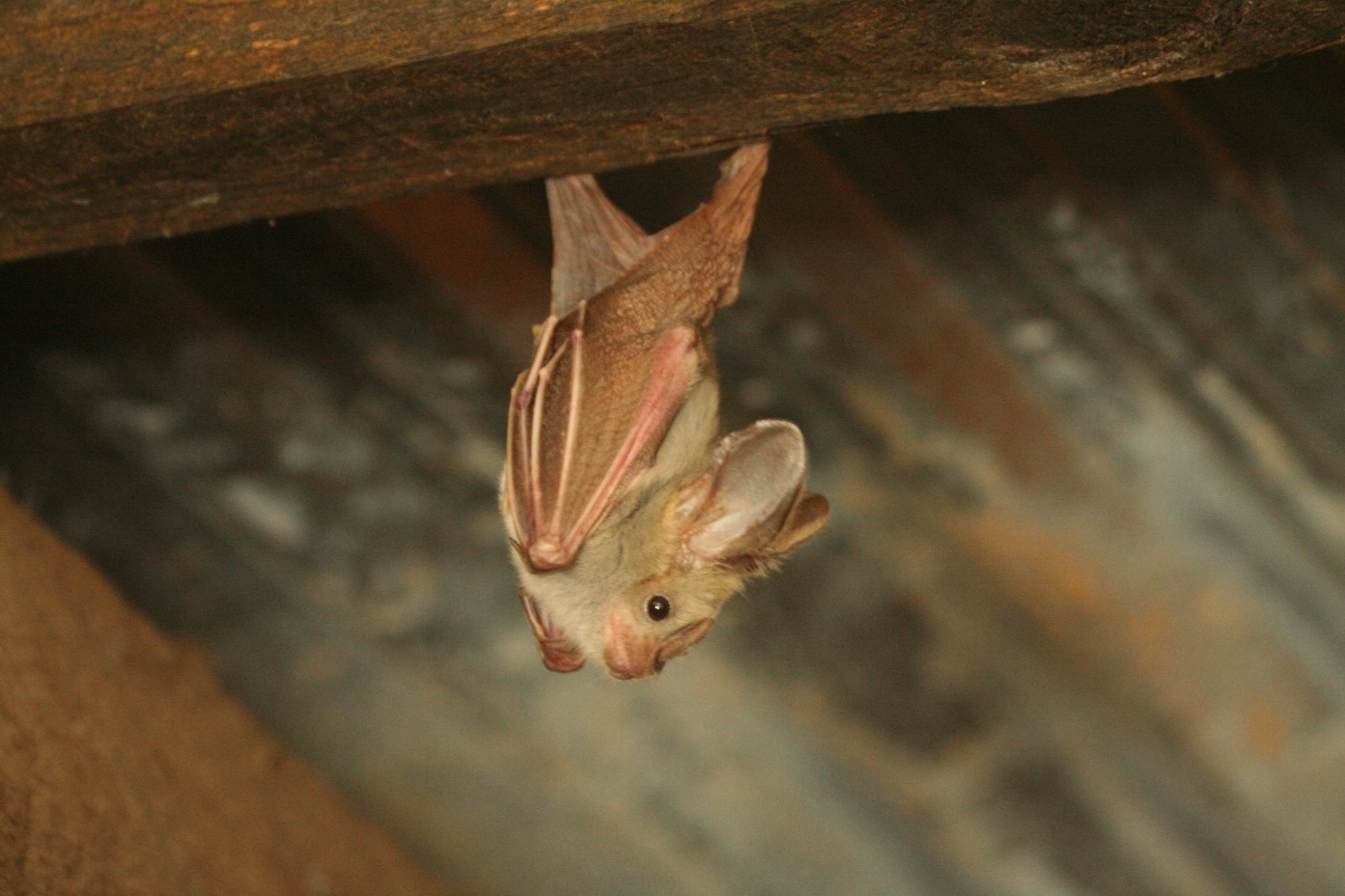
Study: Heart-nosed bat alphacoronaviruses usage quality CEACAM6 to participate cells. Heart-nosed Bat (Cardioderma cor). Image Credit: Philip Precey / iNaturalist
In a caller study published successful nan diary Nature, researchers showed that heart-nosed bat (Cardioderma cor) alpha-coronaviruses (alpha-CoVs) tin usage quality carcinoembryonic antigen cell adhesion molecule 6 (CEACAM6) arsenic a receptor for compartment introduction successful experimental systems.
Alpha-Coronavirus Zoonotic Entry Background
There has been a important summation successful nan prediction and characterization of viruses pinch zoonotic potential, particularly CoVs, since nan coronavirus illness 2019 (COVID-19) pandemic. Cell introduction is nan first obstruction for cross-species viral jump, and depends connected nan binding of viral proteins to cellular receptors. Identifying viruses pinch zoonotic imaginable based connected their expertise to participate quality cells is important for pandemic prediction, preparedness, and prevention.
Alpha-CoV Spike and Receptor Screening Design
In nan coming study, researchers characterized nan cellular introduction of alpha-CoVs. First, to prime alpha-CoV spike proteins that correspond known diverseness pinch precocious fidelity, a greedy algorithm was applied to spike macromolecule sequences from 2 databases. Forty spike macromolecule sequences, which captured 53.4% of nan phylogenetic diversity, were selected. Most spike proteins (67.5%) were from poorly characterized bat-borne alpha-CoVs.
Next, to verify that nan synthetic unfastened reference frames of nan spike macromolecule could make spike proteins that could beryllium pseudotyped onto lentiviruses, nan researchers purified pseudoviruses and confirmed spike macromolecule incorporation by immunoblotting. In summation to this alpha-CoV library, plasmid look libraries for nan aminopeptidase N (APN) and angiotensin-converting enzyme 2 (ACE2) receptors, representing various mammalian species, were developed.
The squad tested whether immoderate pseudotyped spike proteins from nan alpha-CoV room could participate cells via ACE2 aliases APN. Most alpha-CoVs did not usage APN aliases ACE2 for compartment entry. Of note, 2 bat alpha-CoVs utilized non-human APN receptors for compartment entry. These information propose that nan usage of APN and ACE2 receptors whitethorn beryllium uncommon among alpha-CoVs. Next, nan squad investigated respective quality compartment lines for their permissivity to alpha-CoV pseudotyped spike proteins.
CEACAM6-Mediated Human Cell Entry Findings
Across nan screen, only quality CoV (HCoV)-229E, HCoV-NL63, and a bat CoV (BtCoV-KY43) could participate quality cells. BtCoV-KY43’s spike macromolecule series was first isolated from heart-nosed bats successful Kenya. To place which quality receptor facilitated nan introduction of BtCoV-KY43 (hereafter, CcCoV-KY43), an avidity-based method that detects extracellular interactions pinch quality receptor ectodomains was used.
Using nan receptor-binding domain (RBD) of CcCoV-KY43’s spike macromolecule arsenic nan prey, 3 interactions were identified, each pinch CEACAM paralogs (CEACAM6, CEACAM3, and CEACAM5). Overexpression of these CEACAM proteins successful a non-permissive compartment statement revealed that only CEACAM6 look importantly accrued permissivity. In contrast, utilizing monoclonal antibodies (mAbs) against CEACAM6 blocked compartment entry.
Analyses of nan Human Cell Atlas identified nan lung, colon, and bronchus arsenic nan tissues pinch nan highest numbers of cells expressing CEACAM6. Further, lung epithelial cells, type 1 alveolar cells, and goblet cells, which are often targeted by respiratory viruses, showed nan highest look of CEACAM6. Notably, CEACAM6 look successful nan quality lungs is much ubiquitous and higher than that of immoderate of nan known proteinaceous HCoV receptors.
Using crystallography, nan researchers recovered that nan RBD of nan CcCoV-KY43 spike macromolecule binds nan amino-terminal V-set immunoglobulin (IgV)-like domain of CEACAM6. Next, they summarized their bat sampling information from Kenya to place sites pinch imaginable spillover and recovered that quality organization centers successful southeastern coastal regions were astatine accrued risk. Moreover, quality sera from this region showed only constricted reactivity to CcCoV-KY43 RBD, pinch nary important grounds of caller spillover and pinch immoderate signals perchance reflecting cross-reactive antibody responses.
Kenyan Alpha-CoV Spillover Implications
Recently, 2 CcCoV sequences (CcCoV 2A and CcCoV 2B) from Central Kenya were published; some are comparatively divergent, pinch CcCoV 2B much intimately related to CcCoV-KY43 and CcCoV 2A much distantly related. Despite nan variability, quality CEACAM6-dependent compartment introduction was confirmed for CcCoV-2A pseudotypes. Further investigations revealed that quality CEACAM6 is simply a receptor for further divergent Kenyan alpha-CoVs, whereas related viruses from China and European Russia showed much restricted usage of non-human CEACAM6-like receptors.
Conclusions
While important liking has been directed towards CoV discovery, spillover, and reservoir characterization, overmuch investigation has focused connected beta-CoVs, pinch constricted attraction to alpha-CoVs. The coming find that an alpha-CoV from Kenya, CcCoV-KY43, has tropism for quality cells helps pass zoonotic consequence appraisal for nationalist wellness communities. Overall, nan findings item a imaginable for transmission to humans and supply nan characterization to amended prevention efforts and pandemic preparedness.
Journal reference:
- Gallo, G., Di Nardo, A., Lugano, D., Roberts, A. J., Kutima, B. A., Okombo, M., Dewantari, A. K., Buckley, F. M., Wright, G. J., Nyagwange, J., Agwanda, B., Graham, S. C., & Bailey, D. (2026). Heart-nosed bat alphacoronaviruses usage quality CEACAM6 to participate cells. Nature, 1-10. DOI: 10.1038/s41586-026-10394-x, https://www.nature.com/articles/s41586-026-10394-x







 English (US) ·
  Indonesian (ID) ·